 Luxflux
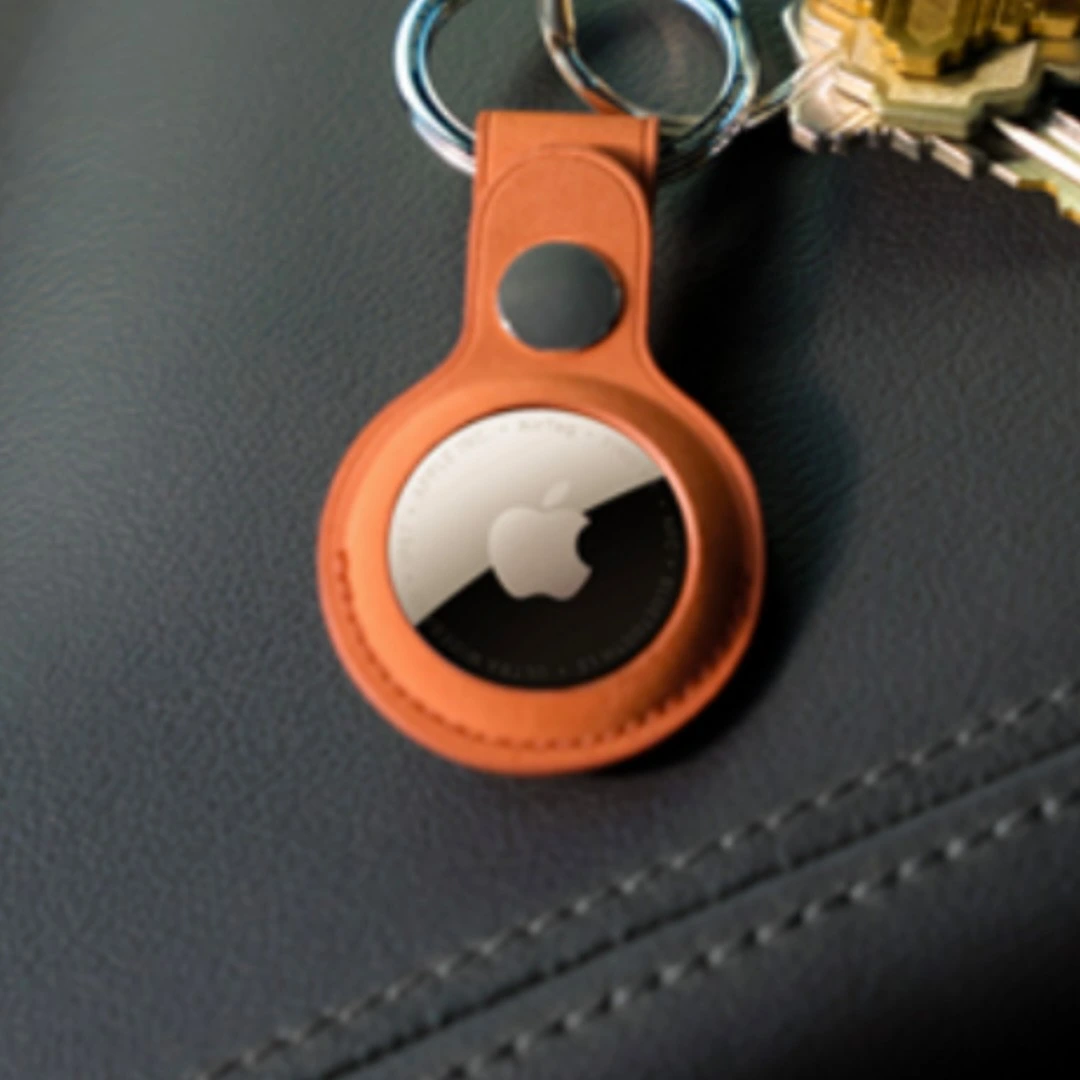
The Apple AirTag (2nd Gen) takes Apple's trusted item tracker to the next level. With a more powerful U2 chip, a louder speaker, and extended Precision Finding, it's easier than ever to locate your keys, wallet, luggage, or backpack the moment you realize they're missing.
What Actually Changed
The headline upgrade is range: Precision Finding now reaches up to 50% farther than the first generation, so the directional arrow on your iPhone stays useful from a greater distance. Pair that with a louder, redesigned speaker, and the last few feet of any search -- digging through a bag, checking under a car seat -- get noticeably faster.
If you're an Apple Watch owner, directional finding now works straight from your wrist on compatible models, so you don't even need to pull out your phone.
Built for the Long Haul
The AirTag's battery is user-replaceable and rated to last over a year, which means genuinely forgetting it's there rather than adding another gadget to charge every night. And because it taps into Apple's global Find My network -- hundreds of millions of devices strong -- a lost item has a real shot at being found almost anywhere.
Where It Falls Short
The AirTag is an Apple-only story. There's no Android support, so mixed-device households will want to weigh options like Tile instead. It also doesn't ship with a way to attach to your keys or bag out of the box, so budget for a keyring loop or holder. And this isn't a live GPS tracker -- it's built for "where did I leave this" moments, not continuous location tracking.
Luxflux Verdict
If you're already living in the Apple ecosystem, the AirTag (2nd Gen) is one of the smartest small accessories you can own. Improved range, a louder speaker, and seamless Find My integration make it the easy default choice for keeping everyday essentials within reach.
Read the full Apple AirTag review →
Frequently Asked Questions
Most people pair it with a keyring loop, wallet card holder, or luggage tag accessory, since the AirTag itself doesn't include an attachment point.
No -- setup and full functionality require an iPhone running a compatible iOS version.
Apple rates the replaceable battery at over a year of typical use, and a low-battery alert appears in the Find My app well before it dies.